What HBO is doing with their streaming offering is the perfect example of how bad marketing can ruin a great product.
Having three brands (HBO Max, HBO Go and HBO Now) to essentially serve the same audience has created a lot of distraction and confusion, and it has not helped one bit in delivering the image of quality HBO is recognized for worldwide.
They will fix it sooner or later, and they will most likely get past it, because they are HBO. Your organisation, though, is not. Take marketing seriously.
If at the end of a fairly long and ambiguos onboarding, you are displayed the following message, chances are you are going to abandon the product and never come back.
Of course, there’s the fact that automatically charging the customer’s credit card after a free trial period is a truly bad practice, and a way to signal you do not trust they would subscribe otherwise.
And there’s also a bigger failure, a messaging failure. Details are presented in a long, complex, repetitive way. A way that does not belong in an onboarding. Because what it says is not “trust us!”, but rather “no refund after the trial, even if you are no longer interested, so do not bother asking!”
What if, instead ..
Your own program is ready!
We are offering a 7-day free trial, that should give you plenty of time to complete your first lessons and get going.
After that, the cost of your own learning program is €9,99 per month (charged automatically to your Google Play account).
You can cancel anytime by following the instructions in the app, and we will send you a reminder before charging your credit card for the first time, to make sure you really want to continue. No surprises!
As long as organizations will continue approaching culture as a list of evocative words, the gap between culture (what management wants) and climate (what employees experience) will remain wide. And values statement will be abstract, generic and aimless.
When it comes to corporate #culture, do companies walk the talk?
Our @mitsmr paper finds no correlation between official #coreValues and employees' assessment of how well companies live those values
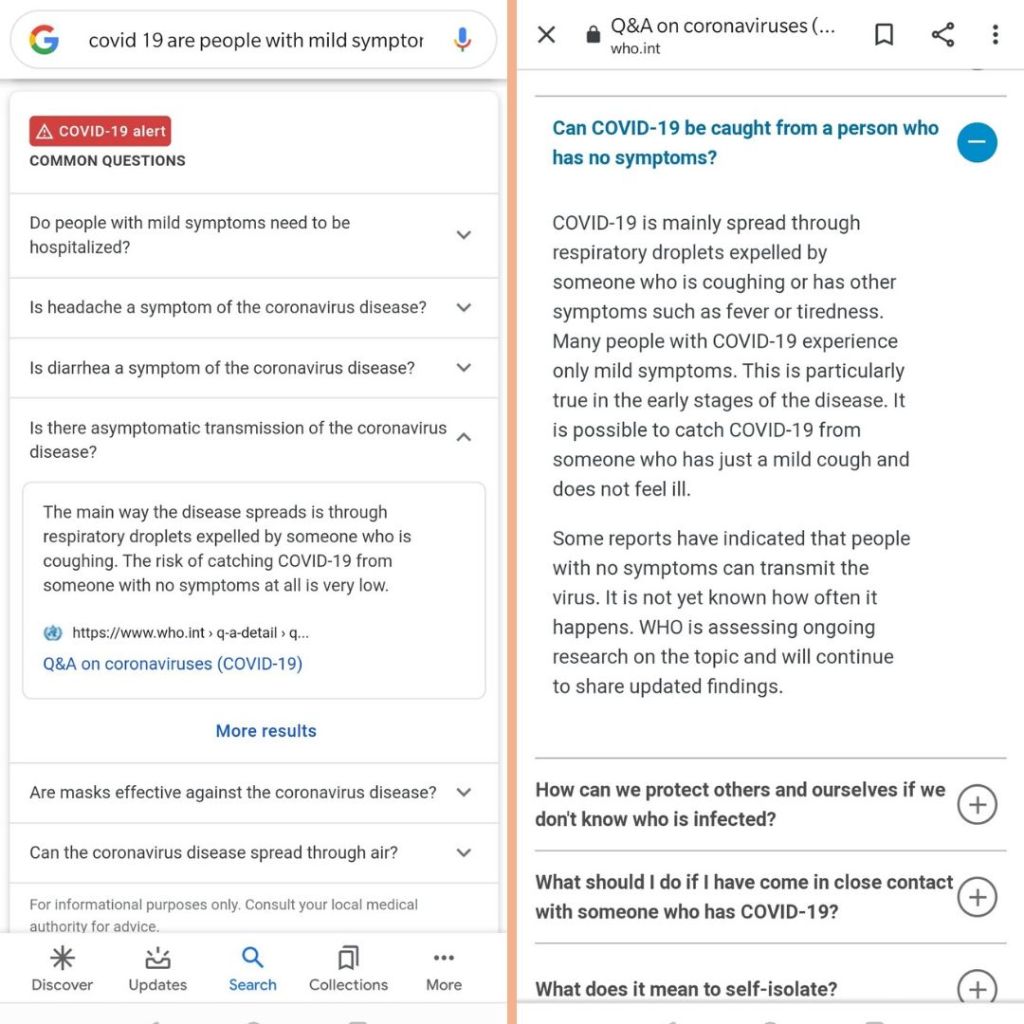
Google’s mission used to be “to organize the world’s information and make it universally accessible and useful”.
It still is.
Yet, that’s no longer what Google does.
Google is now in the business of deciding what information is and what it is not, it shapes the way people consume the internet and its content, with a clear bias towards information that is either owned by Google or that companies pay Google to promote.
So much for accessibility and usefulness.
Of course, companies change as they grow. But should we trust Google to offer us the type of information we need, at the right time? Probably not.
People seek reassurance. That’s true also for business buyers. And so, the sense of urgency, threat, panic that transpires from your content is most likely driving them away.
People seek reassurance. That’s true also for employees. And so, the unilateral changes, the top-down priority, the additional stress that are communicated with dry words are most likely driving them away.

 You've got this