What we’d like

How would you like others to treat you?

If you are having a bad day, and still need to go out to buy some groceries. You just grab the first clothes you can find and don’t worry about your hair. What would you like others to say?

If you are having a tough period, and at work you can only do the bare minimum. You avoid coffee breaks as you do not want to talk to anybody, you delay your lunch break to grab a quick bite by yourself. How would you like others to talk about you?

If you are not answering that message because it would mean you finally need to have that difficult conversation you have postponed for so long. What would you like others to call you?

The next time we reach for an easy judgement, let’s keep in mind what we’d like others to do when it’s our turn.
Nice and rude

Both nice and rude are roadblocks to change.

One because it hides a truth, the other because it distracts from it.

Being in the middle is worth the effort.

Two attributes of stories

We are much more likely to show empathy to people who are not regularly in our life.

That’s because our partners, colleagues, bosses, friends, acquaintances, parents, kids at some point become characters in the stories we build. Stories that have two interesting attributes.

First, they are unnecessarily brutal in representing our situation. We make our stories worst than the reality is, partly because we need to motivate our ambition, partly to excuse our feelings, partly as a byproduct of the laziness of our brain. What is negative sticks, and so we are never happy, never achieved, never quite there yet.

Second, they establish an escape to our responsibilities by assigning over proportioned weight to the context in which we live. A huge part of this context are the people with whom we spend most of our time. And so, our negative status is often because of what others do, how they treat us, the opportunities they miss to recognize us, the time they suck out of our days. Why should we show empathy to those who are keeping us down? To those who always have it their way?

Stories are brutal, and they solidify over time.

Yet, they are still stories. And as such, it is in our power to change them when we realize they are roadblocks on our path.

One last time

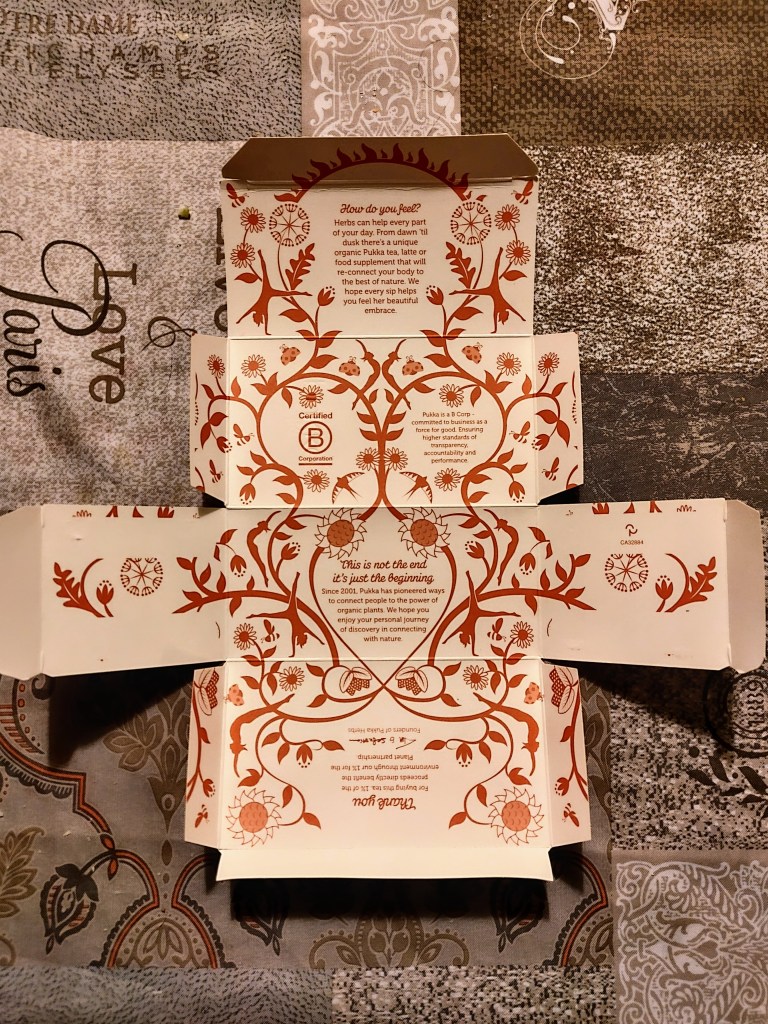
Why would you design the inside of a package and fill it with content?

Perhaps it’s because it’s cheap to do. Perhaps it’s because you can. Perhaps it’s because you want to signal status and quality.

Or perhaps it’s because you know your customers do recycle, they flatten the package to save room in the recycling container, and you want to connect with them one last time before they put the package away.

In any case, it can be beautiful.

Not acting on feedback

Never act on every single piece of feedback. And be aware that not acting on feedback is a strong signal you are sending.

What are you going to say when asked about it?

Option number one. “I forgot”. It can certainly happen, and what you are basically saying is that the relationship with the person who delivered the feedback is probably not as important as they thought. Not necessarily a bad signal to send, but one to go about extremely carefully.

Option number two. “I considered it, and did this instead”. It shows reflection and thoughtfulness, nonetheless it will probably not buy you any additional points with the person who delivered the feedback. Make a strong argument and possibly support it with facts. It will at least solidify your reasoning for going a different way.

Option number three. “I don’t care”. The person who delivered the feedback is not your audience, somebody you care about, somebody your work is for. It is actually positive to make this decision every now and then, be extremely mindful about it.

Where did you stand the last time you did not act on feedback received?