Changing behavior

Marketing is about changing behavior.

And what marketers often fail to grasp is that the change is not about a transaction. It is about a connection.

When you make it about a transaction it is the here and now, this is what we have, this is what you need, take it, here is how much it costs. Next.

When you make it about a connection it is about giving, this is for you, take it and enjoy it, and perhaps think about us the next time you need what we do.

Here is a brilliant example.

Choice

When you have the choice, when no one is watching, do you choose the product or service you are trying to sell, or one of the alternatives?

This might seem like an unnecessary question, yet honest answers could surprise, particularly when digging into the various uses a product or service is supposed to have. At the very least, it is a good way to set expectations on what can be achieved.

Bold models

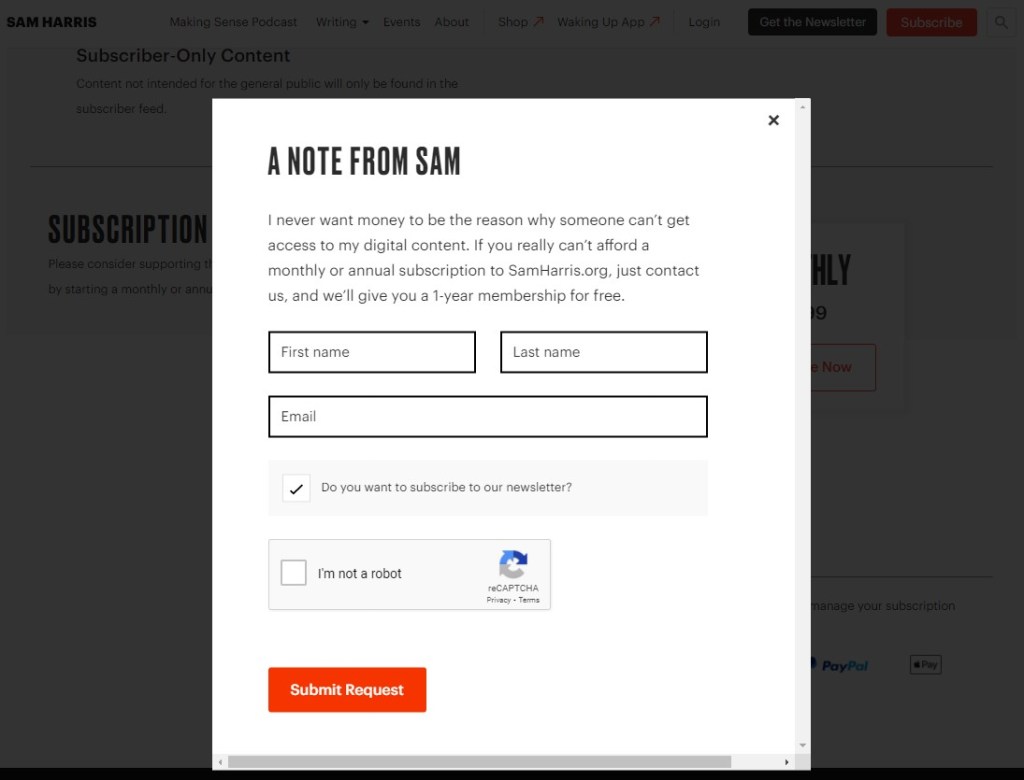
The great thing about shipping content that matters to your own audience is that you can let them choose how much they are willing to pay for it. And in average, you will get a fair compensation.

Business models have been turned upside down in a world where everybody is a content creator. There is no reason to stick to what was working years ago or is working now for organisations that are different from your own.

Try something new. Be fair and bold. You will be pleasantly surprised.

A part of the story

It would be liberating if we would all spend less time trying to convince others and more time trying to reach out to those we have an affinity with, and then expand from there.

Growth is rarely forced upon. Telling without listening will cover only a small part of the story.

Connection

There is a very powerful idea behind the story of Sitka’s remote off-site, described in details in this worthy article (full of tactics that are also applicable to meetings, all-hands, 1-1s and any other way your company has chosen to kill employees motivation).

The idea is that when you gather a number of people in one room (physical or virtual) the easiest way to make them fall asleep or continuously check their phones is to short-list some gatekeepers of knowledge (managers, teachers, experts) and let them speak for hours on end. And then we wonder why the message did not get through, why not everybody is working towards the agreed goals, why our purpose is not shared across departments.

Even assuming that the one-to-many form of communication ever worked, it does not anymore. People do not care about targets they did not contribute to plan, or about achievements they do not understand, or about buzz words that contrast with their day-to-day experience.

Design your events for connection, engage people in conversations and ask what the expectations are. Be flexible enough to not have everything under control. And remember who your end-user is.

At Minerva, we ended up banning lectures. They’re a great way to teach — but a pretty lousy way to learn. Good for the product builder, but bad for the end-user. Same goes for events. Big retreats are an easy way to convene a large group, but a bad way to facilitate connection.

Mike Wang