Audit and reset

When you start something new, it is difficult to anticipate where that will be going.

Perhaps you buy a tool, you set up a process, you hire a few people, you add a contacts field in your CRM, and then after one or two years you find yourself in a completely different situation, and the thing that used to work (kind of) now clearly does not work anymore.

The problem though starts when you avoid auditing and resetting, and instead add more on top of what is not working. Another version of the tool, more people, a new step in the process, one more contacts field in the CRM.

Before you start adding, be sure to audit and reset.

It takes time, it might feel like a failure, and it’s not always pleasant. But that’s how you make the most out of what you will decide to bring in next.

When times are tough

The surest and fastest way to get unstuck is to bring in a different perspective.

A therapist, a coach, a colleague from another team, a mentor who’s been there before, your partner, a friend, a business advisor, a marketing agency, a freelancer.

Make that connection when times are tough.

Actually, make the connection when times are good so that you can leverage it when times are tough.

Exactly the same

It’s not enough that you make your story clear for yourself. You also have to make it clear for those you serve.

Most companies have a clear idea of why they are in business, of the problem they solve, of the new world they want to build. But then they stop there. They fail to put in the work that is necessary to spread the word, to tie goals into their vision, to buy others into their perspective. And that’s why most companies feel like they are exactly the same.

Differentiation also means leveraging that unique story and making it relatable. If you don’t understand this, you are in a perfect competition.

If you’re innovating in a nascent market, the push for recognition of your product category needs to be a major chunk of your go-to-market strategy.

Stewart Butterfield, From 0 to $1B

Irrational

It does not tell much about our product.

What about talking about that feature we have spent all that money on?

We should probably play it safe.

I don’t think it’s going to work.

It’s nice, but it lacks appeal.

Why don’t we put a nice picture with a smart description of our product capabilities?

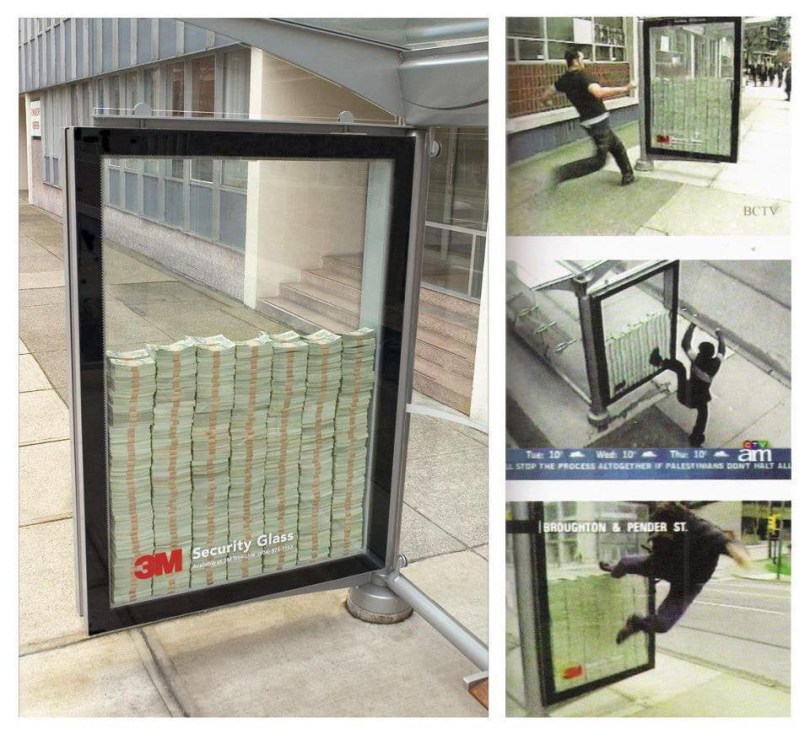
I am sure whoever is behind this genius campaign by 3M has heard some versions of this many times, as many marketers have. Some give up, some persist.

One way or the other, keep in mind that people are not moved by rationality.

Hitting a wall

When a plan hits a wall, two questions can help.

What do I know today that I did not know when I came up with the plan? This will tell you if the conditions have changed, if the stop came because of that, if there are shifting forces that you underestimated. It tells you whether the general direction is still valid.

To what degree do I still believe in the original plan? This will tell you if you are still committed or if it’s time for a change instead. It help you stay clear from easy, short-term fixes, and it tells you whether it’s worth it to try once more.

Rest assured, most plans hit a wall at some point.