Frameworks

Frameworks, matrices, canvas are great tools to organize thinking and guide action.

And they should be approached with two things in mind.

First, you need to understand how they work. To do that you often have to read articles and papers from the people who have proposed the tool you want to use, and possibly also from people who have challenged their usefulness.

This is particularly problematic with models that are very well known and frequently quoted in organizations, such as the 5 forces by Porter, or the S.W.O.T. matrix, or the Competing Value Framework by Cameron and Quinn. People use these without actually knowing what the authors had in mind, or without having any reference to get them started, and as a result they are often misused. Even when a colleague suggests they have all the information you might need to get started, challenge them and dig into the original material.

Second, they are simplification of reality. And so they might not fit 100% to the specific case you are trying to apply them to. They might need some adjustments. And that is one more reason why it is important to study them, so that when rules need to be bent, it’s not going to betray the purpose or the essence of the tool.

Slavishly applying a framework, a matrix, a canva to your business, and doing that by only looking at the superficial level, it’s most likely not going to bring about the change you are seeking.
Nice and rude

Both nice and rude are roadblocks to change.

One because it hides a truth, the other because it distracts from it.

Being in the middle is worth the effort.

One last time

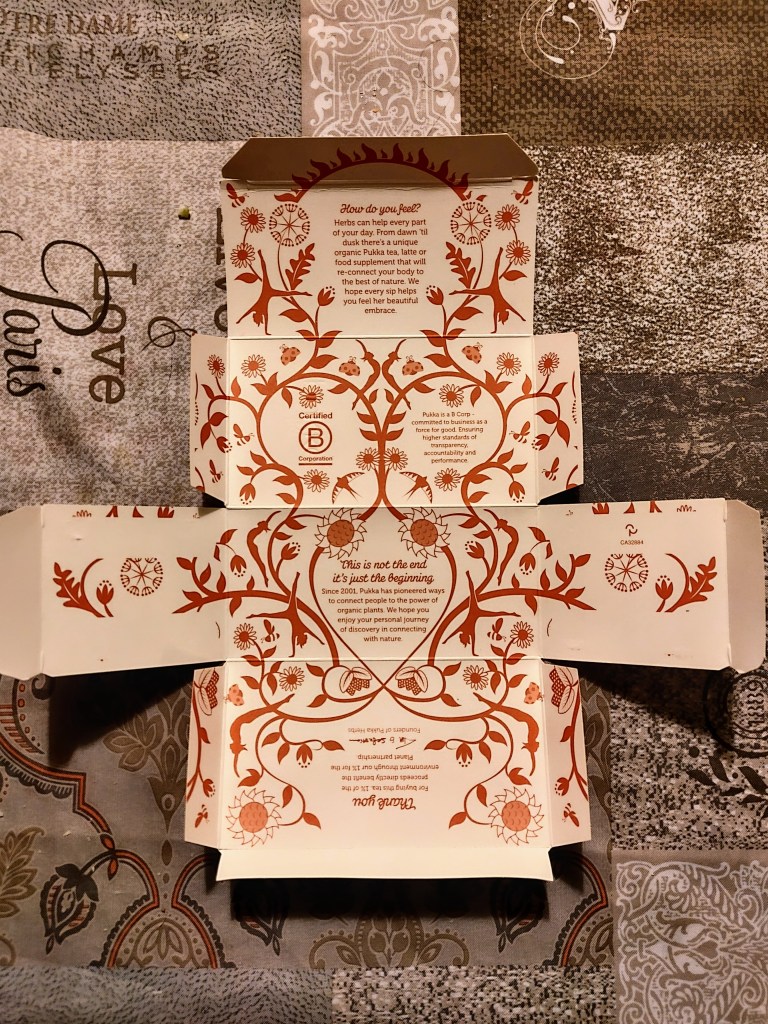
Why would you design the inside of a package and fill it with content?

Perhaps it’s because it’s cheap to do. Perhaps it’s because you can. Perhaps it’s because you want to signal status and quality.

Or perhaps it’s because you know your customers do recycle, they flatten the package to save room in the recycling container, and you want to connect with them one last time before they put the package away.

In any case, it can be beautiful.

Take my data

You are more ok with the idea of paying taxes if you regularly benefit from tangible services your taxes contribute to cover.

The same is valid with data.

The problem with companies collecting information about us is not the collection per se.

It’s the secrecy of the operation, the impossibility to control what is collected and what not, and the fact that six months after buying a new car you are still getting ads with car offers.

“Have you already purchased a car?”

“Yes.”

“Ok, from now on you will stop seeing car offers while navigating the web. If you want to reactivate car offers in the future, you can do so by typing ‘activate car offers’.”

“Thanks, and feel free to take my data.”

Give yourself a reason

What is the reason you give yourself to continue doing what you’re doing?

If it’s to make things better, to support, to spread an important message, to grow and make others grow, to change toxic habits, to repair something that is worth it. That is fantastic, and you are lucky.

If it’s to feed a habit, to continue a routine, to leverage information that no one else has, to make yourself indispensable, to add layers of complexity and titles to your business card, to keep your mind busy so that you do not have to face bigger, more painful questions, to share your opinion on things you don’t know even when not asked.

Then it is time to find new reasons.