Exactly the same

It’s not enough that you make your story clear for yourself. You also have to make it clear for those you serve.

Most companies have a clear idea of why they are in business, of the problem they solve, of the new world they want to build. But then they stop there. They fail to put in the work that is necessary to spread the word, to tie goals into their vision, to buy others into their perspective. And that’s why most companies feel like they are exactly the same.

Differentiation also means leveraging that unique story and making it relatable. If you don’t understand this, you are in a perfect competition.

If you’re innovating in a nascent market, the push for recognition of your product category needs to be a major chunk of your go-to-market strategy.

Stewart Butterfield, From 0 to $1B
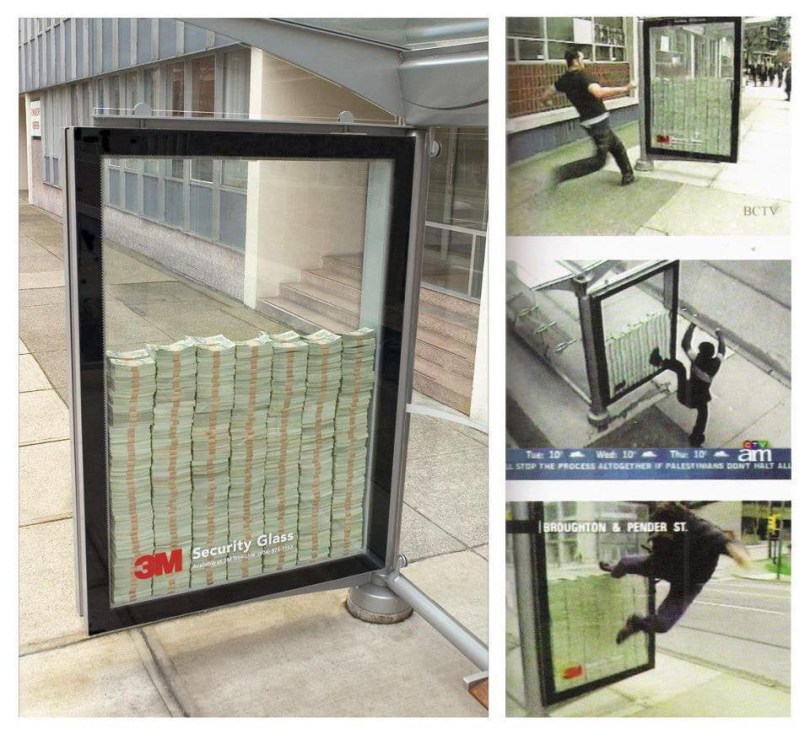
Irrational

It does not tell much about our product.

What about talking about that feature we have spent all that money on?

We should probably play it safe.

I don’t think it’s going to work.

It’s nice, but it lacks appeal.

Why don’t we put a nice picture with a smart description of our product capabilities?

I am sure whoever is behind this genius campaign by 3M has heard some versions of this many times, as many marketers have. Some give up, some persist.

One way or the other, keep in mind that people are not moved by rationality.

Tell stories

Tell about yourself with examples.

You are not self-motivated, you have started your own solo business and grown it to 200k ARR.

You are not a team player, you have joined a team and found a way to help your peers get the recognition they deserved.

You are not a marketing professional, you have researched audiences for five companies and found the most effective way to build a connection with their audiences.

Don’t tell about labels, tell stories.

That’s how you are going to win us over.

Note: It’s just as valid for products and services.

Do unto others

Do unto others what you would like them do unto you.

Isn’t that THE golden rule?

Be kind to others if you want them to be kind with you.

Be honest and trustworthy with others if you want honesty and trust.

Don’t cheat on others if you don’t like to be cheated on.

But also – with a marketing twist.

Don’t put out there content you would not read yourself.

Keep your forms simple, as you like them when you are the prospect.

Don’t reach out to people after one signal, since you don’t want to book a meeting after downloading a guide.

It’s a golden rule indeed, yet one we fail to practice often.

And the main reason might be that we are inclined to believe that we are somehow special, that we are worthy of forgiveness, that we (and our product, and our services) will always get a second, and a third, and a fourth chance.

The harsh reality is that we are not.

So, do unto others what you would like them to do unto you.

Plenty of choices

More instructions.

A little longer text.

One more pop-up to tell users where to go next.

A tooltip with some additional information.

An example to explain what you mean.

These are all things that (almost) nobody will read. Ever. People are not on the web, they don’t use tools and services, they don’t download apps because they lack stuff to read. They do all that to help their own personal and professional journey. And if the website, the tool, the service, the app is designed in a way that requires hand-holding, they will just leave and move on.

The world is full with alternatives.