On your own

Investing in a relationship is more than merely being there with kindness when the other shows up.

It is about reaching out, it is about preparing and anticipating, it is about giving and taking, it is about having difficult conversations, accepting criticism, opening yourself to a view that is not yours. It is about making that extra effort to be still there, with kindness, when the other is not around.

It takes time, it takes effort, it takes resources.

But if you do not invest in relationships, you will be left on your own.

For you and for me

What’s in it for me?

That’s on our mind when we approach something, whether consciously or unconsciously. We have some idea of what we will get from a situation, from a person, from a request. We play scenarios in our head and expect to maximise the value we can get.

Of course, everybody does that at the same time, and so focusing on what you could get is probably not going to take you very far.

Challenge yourself and start with: Here is what’s in it for you.

Once that becomes the default, you will find you can change the world.

Nuisance to invaluable

When you create problems, even if you do that without intention, even if you do that to try to improve some other things, and leave your peers to deal with the consequences, you are a nuisance.

When you create problems, particularly if you do that without intention, particularly if you do that to try to improve some other things, and help your peers to find a solution, you are a resource.

When you solve problems, with intention, in the attempt of making things better, and you bring your peers along the journey, you become invaluable.

Silos

If your organisation has a problem with silos – that is to say, you are dealing with departments caring mainly about their internal processes and KPIs, blaming poor results on others, not aligning around what success looks like -, the best way to break down the silos is to start a project that needs the input and commitment of people that come from the different silos.

Make them know each other, come up with ideas and execute in the same space, define success and celebrate together.

It will teach them empathy for other functions and it will allow them to take that empathy back to their respective teams.

Long-term investment

Building good relationships requires that you are in a good relationship with yourself. At the same time, when you are in a good relationship with yourself, it’s often the case that you lose the opportunity to build good relationships.

Use your own inner strength to put strong foundations below the relationships with your partner, with your friends, with your colleagues, with your community.

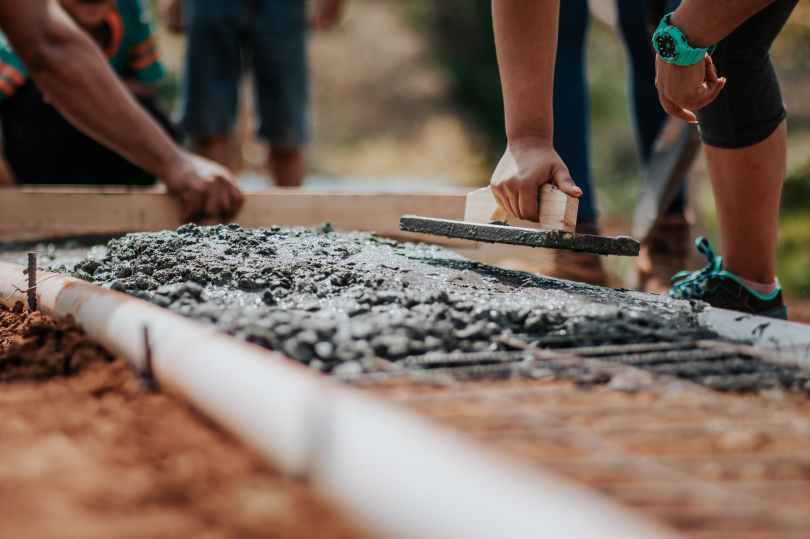
It’s a long-term investment in well-being.