Come and go

Things come and go. They come again and they go again. Other things will come and go.

And so on.

The only aspect you can really affect is the way things impact you. A rainy day can be a disaster or an opportunity. An argument with a friend can be a deal-breaker or a change in perspective. A rejection can get you down or give renewed energy.

You need intention when interacting with the world.

Fostering the controlling staff

That’s what I found today in a page describing a B2B solution.

Fostering the controlling staff.

What does it even mean? Can you “foster” somebody? Who is the “controlling staff”? What does “fostering” them look like, in their day-to-day lives?

Of course, it’s easy to laugh such an example away.

But the status of B2B and Saas copywriting is dire.

Back-office automation heroes … assemble!

Personalized interactions and trusted global communications.

Streamline your operations.

Automate document and presentation creation workflows.

Unlock new opportunities at speed.

There’s an opportunity to stand out.

To deliver

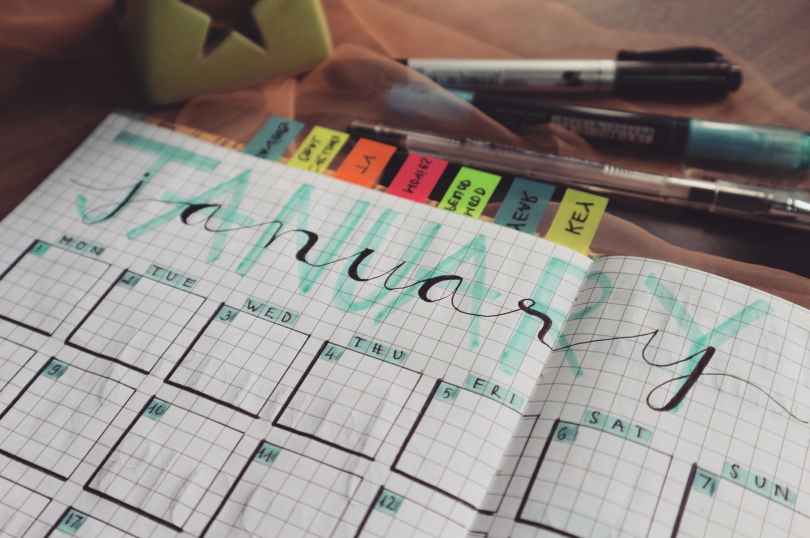
Take a complex project. Break it down into smaller parts. Put those parts on a calendar, while being reasonable about the time and effort each one will take. Start doing and go back to the calendar often to keep things on track.

Complexity will look a lot less scary.

It is the fantasizing, the preoccupation, the chaos, the distractions that get in the way of delivering.

Get back ownership of your capability to deliver.

Minimal reaction

Others will never be as excited as we are about what we do. Nor will they be as committed, as ready, as present, as purposeful, as proactive, as determined.

The first thing we ought to do when we care about something is to let go of how others will relate to it.

And that’s where “do what you like” is an advice that actually makes sense. Find something that you like, something you would do no matter what. How others will react to it is then going to be a byproduct of doing that can only add to the pleasure. Even when the reaction is minimal.

Reactive or intentional

At work, you can be reactive or intentional.

When you are reactive, you drop everything you are doing every time a new urgency comes in. You are stuck in a spiral of novelty and unfinished work. You feel powerless and you often end your days with the overwhelming impression of not having accomplished anything important.

When you are intentional, you respond to a new urgency with a deep breath. You finish the work you are doing, or at the very least make sure that you have a solid plan to finish it or to delegate it to someone else. You take out your plan and you check how the urgency can fit. You say no. You feel in control and you often end your days with the priceless recognition of being done.

The reactive mode is fascinating, because it gives us (and others) the illusion of being relevant, important, busy. It’s what most people call “good job!”. Of course, in reactive mode nothing ever changes, and in the long term you are simply drained.

The intentional mode is a choice. It might go unnoticed for a while, because you are not waving your arms in the face of everyone. And of course, in intentional mode you can affect real change.

To understand your default mode, take note of what happens next time your boss calls with a new thing to do.

Then, make the choice.