Start again

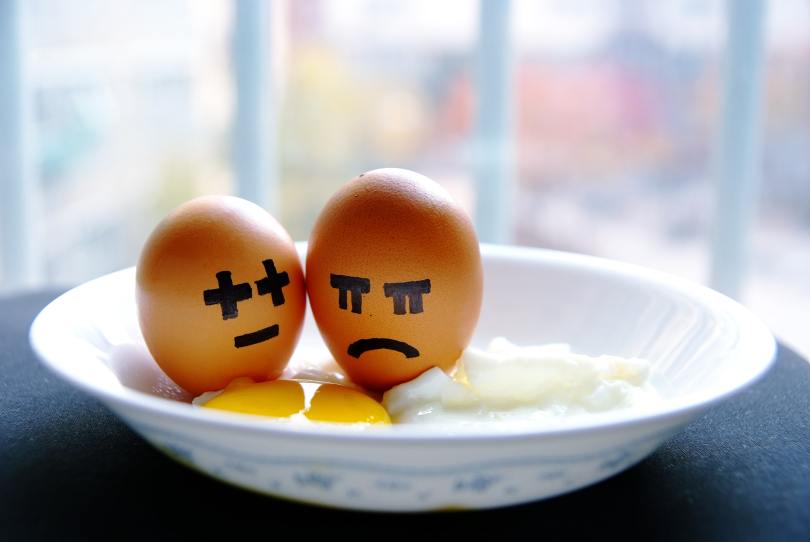
Habits are broken all the time, and when that happens, you need to allow yourself to go back a few steps.

Progress is very rarely linear, and thinking that it is, might actually keep us from starting again a healthy habit we have just failed at for a while.

If you were used to run 10km a week and you have not done that for a month, would it make it easier to start again with 2km this week?

If you are used to meditate for 20 minutes a day and you have not done that for a month, would it make it easier to start again with 5 minutes today?

If you are used to write 10,000 words a week and you have not done that for a month, would it make it easier to start again with 5,000 this week?

We are not machines and we need to be able to cut ourselves some slack once in a while.

Highs and lows

Find the strength to cherish both the highs and the lows. One would not be possible without the other, and they both have lessons to teach about who you are.

Addressing change

No matter what the current situation is, nobody likes change.

Your unique and innovative idea will be pointless if you fail to address this basic human fact.

Boxes

Most companies want employees to not work in silos. And then, they organise their work in little, hierarchical boxes.

They split the workforce in departments. They assign managers and middle-managers to each of them. They give them goals and agendas and salaries and development plans that are unique. And they get mad because Product doesn’t talk to Sales, because what Marketing promotes is not the story that Customer Success tells, because the Leadership Team meetings are just a battle for budget and recognition, and because their Customers are sick of waiting for the promised improvement.

So, the opportunity for you is to become the person who looks at problems horizontally. To learn about others priorities and spot lateral developments. To become the glue that delivers and the light that shines on colleagues.

If you’ll just stick to your box, you’ll be part of the problem, not the indispensable solution.

What is wrong?

How many of the things we call our flaws, of the traits we don’t like about us, of the behaviors we want to hide, are such because we are in the wrong situation?

Are we really afraid of speaking in front of an audience, or is it because we have always spoken in front of the wrong audience?

Should we call ourselves temperamental, or is it because nobody has ever took a minute to explain what was happening?

Do we really reject close relationships, or is it because the people we have been close to have hurt us deeply?

Are you wrong, or is the situation wrong?

Should you change yourself, or should you change the people you are with, the things you are doing, the place you call home?

Always work on yourself.

And figuring out what is wrong is part of the process.