Smoothing

If we would be better at communicating change underlying its benefits for the target, we could perhaps make transitions smoother.

A mistake that is often made in corporate communication is telling the customer:

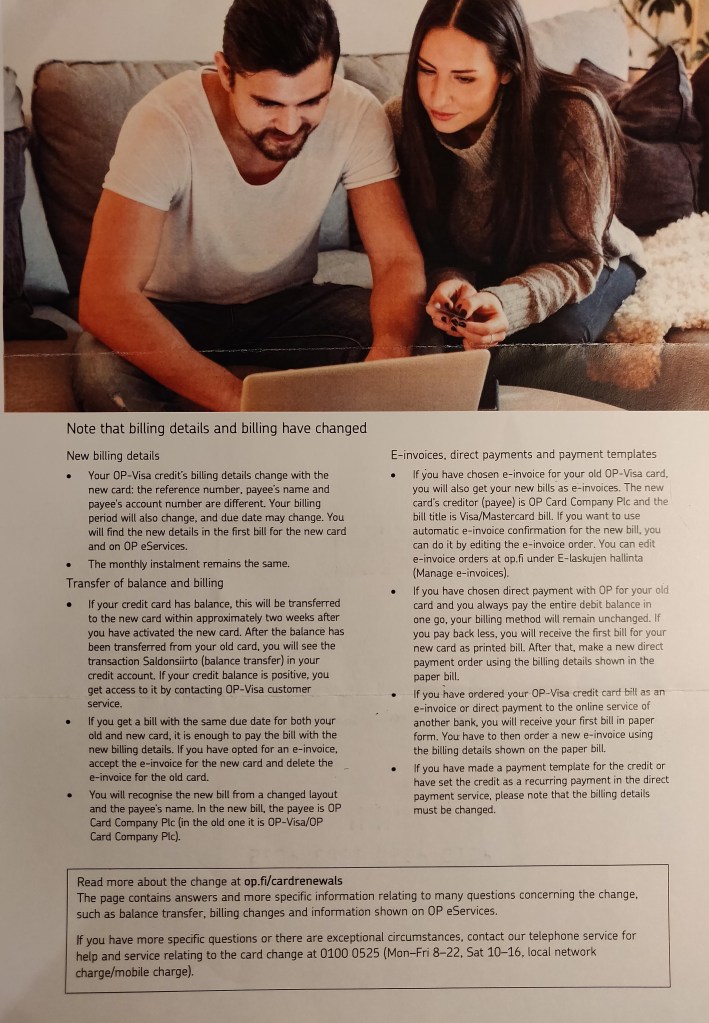
Here, we changed this, it’s good for you, trust us. And this is the list of things you have to do, on your own, to make the change effective.

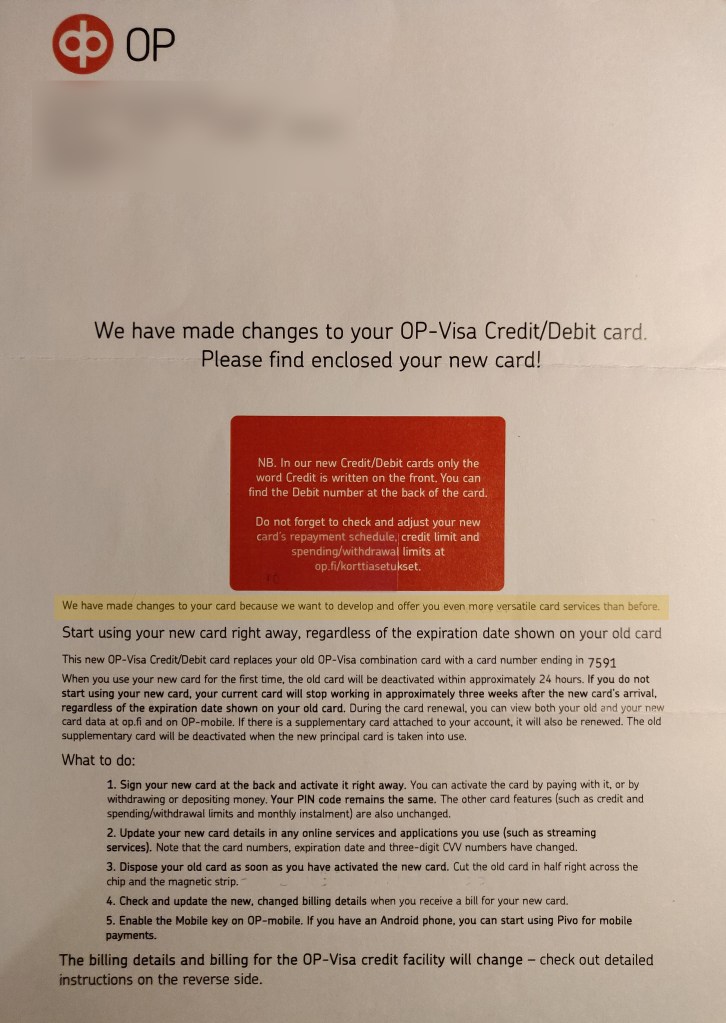
You can see a good example at the end of this post. One line to tell “more versatile services” will be offered (when? to whom? which services? do they matter?), and two pages full of things I have to do, or I have to check, or applicable to me in case I have this or that service (don’t you know which services I have subscribed? or if my card has balance? or if I have chosen e-invoice?).

Of course, we can see this type of messages as something that “needs to be done”.

Or, we could approach them as an opportunity to strengthen the relationship with our audience. A way to make it personal without second-guessing, to be of service, to establish our brand as helpful, relatable, trustworthy, even indispensable in the long term.

What’s your choice?
Brandsplain

If a customer leaves negative feedback, files a complaint, gets mad for something, writes a bad review, speaks ill of your product or service, stops paying you, one of two things is true.

  1. They are right.
  2. They are not your customers

Trying to explain they are wrong, and behaving as if 1 or 2 (or both) are not possible is simply a worthless, damaging exercise.

If even Google forgets this, it’s probably a good idea to keep it in mind in our daily marketing practices.

Don’t make it difficult

When adding complexity to a customer experience, we should ask if we do so to deliver more value or to put a patch on some insecurity of our organization.

Having customers queueing on the phone just means we are not sure we will be able to handle their questions.

Sneaking an hidden price in the service just means we are not sure people would pay for it.

Asking a question that does not change the transaction in any way when the customer is at the counter and ready to buy just means we are not sure we have enough information.

Pushing ads when the customer is seeking content just means we are not sure the customer would pay for the content alone.

Needs and wants are often fairly simple and straightforward, and it is worth the effort to attempt to meet them on the same field. On the other hand, fears and doubts are often quite layered and complex, and it is delusional to believe we can push them to the customers by keeping their experiences worth living.

Opportunities

Why would people rent a car and not drive it?

Even a service as straightforward as car rentals can have things to figure out. So chances are your product, your service, your software might not be used for the application it was originally designed for.

Two points to make here.

If that’s the case, and most likely it is, the best way to find out what is happening is asking your customers. No need to sit in a meeting room with product, marketing, sales, customer success to second guess the needs of your audience. Ask them. Actually, get them involved and listen to them even if everything is going as planned. That’s almost always a signal that you are missing something.

Then, how do you react to finding out? You might be instictively led to force the original use on the customers. Teach them, penalize them, leverage price and place to guide the wrong users away. Or you could make an opportunity out of it, understand that your plans are irrelevant, leverage product and promotion to adapt to what you have found.

Begin with listening

An important reminder by Bernadette Jiwa.

If you want to be listened, begin with listening.

If you want to be heard, begin with hearing.

If you want to lead, begin with opening to the people you want to lead.

If you want to sell something, begin with understanding the people you want to sell to.

It is that easy.