There’s a wealth of opportunities at any given time out there.
And to catch them you need to become very good at saying no. Because too much is essentially the same as nothing.
It starts with knowing what you are here for.

There’s a wealth of opportunities at any given time out there.
And to catch them you need to become very good at saying no. Because too much is essentially the same as nothing.
It starts with knowing what you are here for.
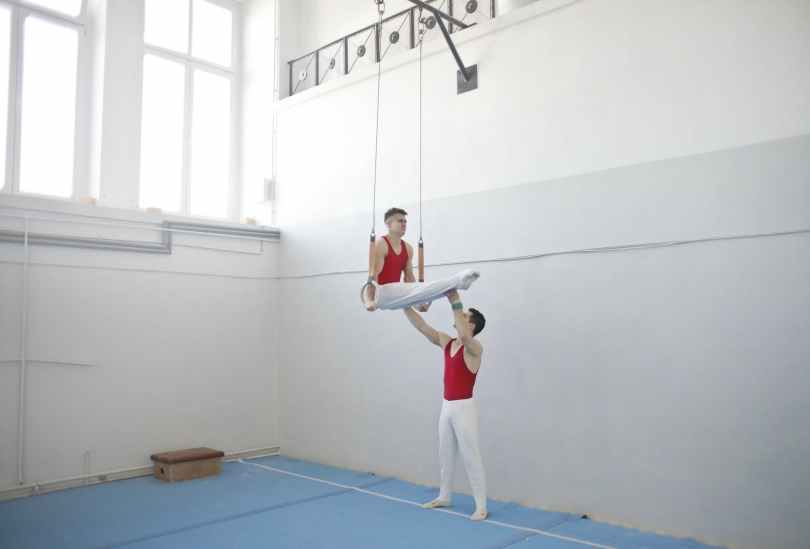
We are easily impressed by outcomes, while it is the practice we should emphasize.
Outcomes constantly fluctuate between two opposites: success and failure. Outcomes are out of our control, they are dependent on many factors we do not even pretend to understand. Outcomes are in the future.
Practice is progressive growth, unstoppable. Practice is under our control, it is determined by factors (effort, time, attention) which we can allocate and redistribute. Practice is here and now.

Commit to your own work.
And think about how it affects others. What others expect from it, how others can make it better, why others should care.
Since this is extremely difficult to do in abstraction, the surest way you have to make it happen is to actually interact with those who have a stake in your work. Do it frequently, do it methodically, do it with your ears and mind wide open.
The best work happens in the dialogue with others.

Engagement is a pledge.
The deal though is no longer safety, money, and certainty in exchange for work, compliance, and loyalty.
We understand well enough that workers nowadays need to put in something more than mere hours, textbook task completion, checkbox performance. We ask them to be creative, innovative, collaborative, personal, candid, proactive.
What we struggle to understand, instead, is that the way to incentivize that has changed as well.
So, the next time you lead a project, a change, an enterprise ask yourself what your side of the pledge is.
Is it keeping everyone in the dark until the big reveal? Is it making all of the key decisions? Is it allocating five minutes at the end of the next meeting for everyone to share what they think? Is it distributing information to create hierarchies and factions?
Probably not.

Keep telling people about the work you do.
When you don’t, your work is nonexistent. It is not imperfect, it is not in progress, it is not almost there. It is simply nonexistent. Out of any radar.
When you do, you open yourself to your audience. You get to know what they like, what they need, what they would like to see next. You start a cooperative work, whether you realize it or not.
And you might also find unexpected contributors.
 You've got this